20,000: Tesla's Weekly Target for Humanoid Robots
Tesla is ramping up Optimus production in Fremont to reach a weekly output of 20,000 units, utilizing a new training academy to refine the robots' capabilities.
By Neha Iyer ·
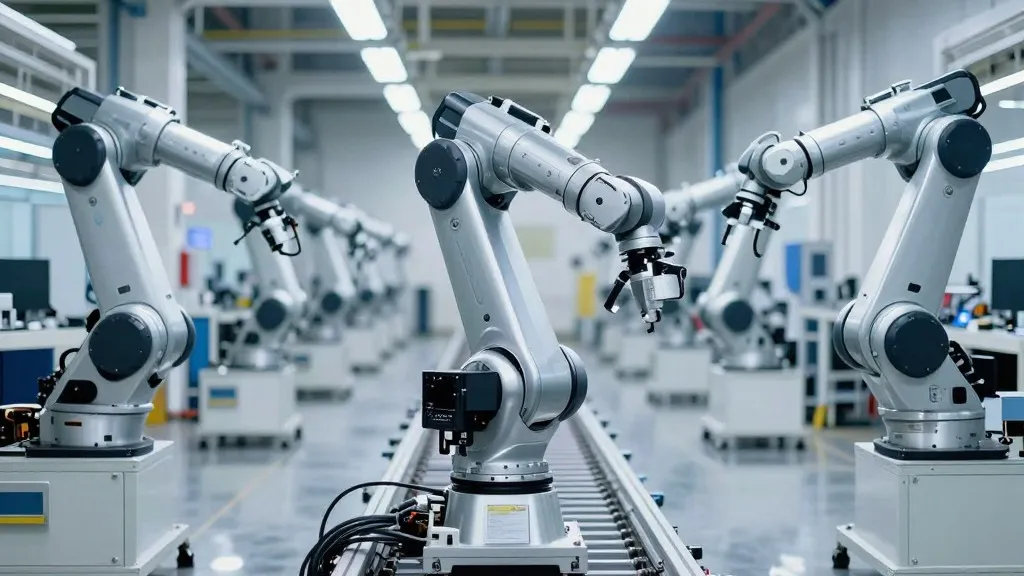
Tesla has begun manufacturing its Optimus humanoid robots on a high-volume assembly line within its Fremont, California facility. The automaker asserts that the units currently exiting this line represent the first production-quality models, marking a transition from prototype stages to a viable commercial product. In its third-quarter shareholder letter, the company confirmed that the current manufacturing process has been validated for commercial use, signaling a significant milestone in its robotics initiative.
The production capacity is situated in the space formerly occupied by the Model S and Model X vehicle lines, which were cleared out in 46 days this spring. Elon Musk stated during the recent earnings call that the majority of the equipment required for this expanded capacity is already installed in Fremont. The immediate goal is to increase output to approximately 20,000 robots per week as the line reaches full operational speed.
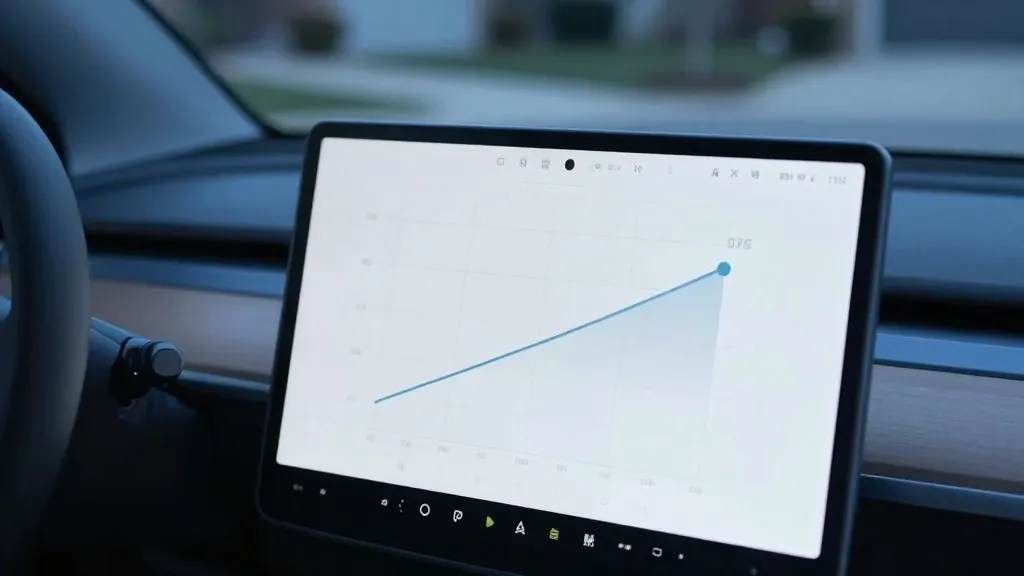
Musk characterized the production ramp-up as an S-curve, noting that the initial growth phase will be gradual. His team is currently focused on refining the robot’s artificial intelligence, electromechanical design, and reliability metrics. Tesla expects to complete these engineering improvements by the end of 2027, at which point it plans to begin delivering Optimus units to external enterprises for roles involving dangerous, repetitive, or continuous-duty tasks.
A central challenge for Tesla is training the robots without the benefit of a massive existing fleet, unlike its vehicle division. To address this, the company is establishing an Optimus Academy. This internal program will utilize 10,000 to 20,000 robots to practice diverse tasks, generating the training data necessary to enhance subsequent model iterations. Every robot produced at the Fremont plant will contribute to this data ecosystem.
Hardware upgrades are also on the horizon, with the integration of the AI5 chip planned for the robots next year. Musk indicated that a new video demonstration will be released within one to two months, showcasing the robot performing tasks driven by AI rather than preprogrammed motions. He contrasted this approach with rival humanoid demonstrations that rely on scripted routines, arguing that those methods lack real-world durability.
The supply chain is actively supporting this expansion. In September, Tesla certified Tuopu, Joyson, and Sanhua as mass-production partners for Optimus components. Additionally, a much larger dedicated factory is under construction at Giga Texas, with steel framing nearing completion. Musk has set a long-term target for this facility to produce 10 million robots annually. Executives noted that Optimus production costs are trending toward the expected manufacturing costs of the Cybercab, while engineering efforts remain heavily focused on improving the complexity of the robot's hands.
Source: Teslarati